

.png)
Top Strategies to Prevent Nausea While Using GLP-1 Medications
- conciergemedicalcl7
- Feb 25
- 3 min read
Nausea is a common side effect experienced by many people starting GLP-1 medications, which are often prescribed for managing type 2 diabetes and obesity. While these drugs can be highly effective, the discomfort caused by nausea can discourage consistent use. Understanding how to prevent or reduce nausea can help you stay on track with your treatment and improve your overall experience.
This post explores practical strategies to minimize nausea when using GLP-1 medications, supported by examples and clear advice.
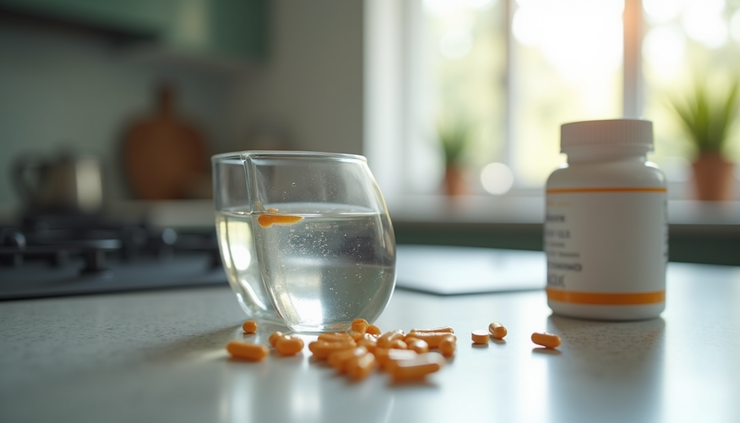
Understanding Why GLP-1 Medications Cause Nausea
GLP-1 receptor agonists work by mimicking a hormone that helps regulate blood sugar and appetite. They slow gastric emptying and affect the brain’s appetite centers, which can lead to feelings of fullness and sometimes nausea. This side effect is usually temporary but can be uncomfortable.
Knowing this helps explain why nausea often occurs early in treatment and why it tends to improve over time as the body adjusts.
Start with a Low Dose and Increase Slowly
One of the most effective ways to prevent nausea is to begin treatment with a low dose of the medication. Many healthcare providers recommend starting at a minimal dose and gradually increasing it over several weeks.
Starting low allows your digestive system to adapt.
Increasing the dose slowly reduces the shock to your stomach.
Follow your doctor’s titration schedule carefully.
For example, if your medication starts at 0.25 mg, maintain that dose for a few weeks before moving to 0.5 mg. This gradual approach often leads to fewer side effects.
Take Medication with Food
Taking GLP-1 medications with meals can help reduce nausea. Food acts as a buffer, lessening the medication’s impact on the stomach lining.
Choose a light, balanced meal or snack.
Avoid taking medication on an empty stomach.
If nausea persists, try different meal compositions to see what works best.
For instance, a small portion of plain yogurt or a banana can be gentle on your stomach and help ease nausea.
Stay Hydrated Throughout the Day
Dehydration can worsen nausea, so drinking enough water is essential. Aim for consistent hydration rather than large amounts at once.
Sip water regularly, especially around medication times.
Avoid sugary or caffeinated drinks that might irritate your stomach.
Herbal teas like ginger or peppermint can soothe nausea.
Keeping a water bottle nearby and setting reminders can help maintain hydration.
Adjust Your Eating Habits
Certain eating habits can reduce nausea while on GLP-1 medications:
Eat smaller, more frequent meals instead of large ones.
Avoid greasy, spicy, or heavy foods that can upset your stomach.
Focus on bland, easy-to-digest foods during the initial weeks.
For example, oatmeal, rice, steamed vegetables, and lean proteins are usually well tolerated.
Manage Stress and Anxiety
Stress can amplify nausea symptoms. Incorporating stress management techniques can improve your overall well-being and reduce nausea.
Practice deep breathing exercises.
Try mindfulness or meditation.
Engage in light physical activity like walking.
These methods help calm your nervous system, which can ease digestive discomfort.
Use Over-the-Counter Remedies Wisely
Some people find relief using over-the-counter options, but always consult your healthcare provider before combining treatments.
Ginger supplements or ginger tea may reduce nausea.
Acupressure wristbands designed for motion sickness can help.
Antacids might be useful if acid reflux contributes to nausea.
Avoid self-medicating without guidance to prevent interactions or side effects.
Communicate with Your Healthcare Provider
If nausea persists or worsens, talk to your doctor. They can:
Adjust your medication dose or timing.
Suggest alternative GLP-1 medications with different side effect profiles.
Recommend prescription anti-nausea medications if necessary.
Open communication ensures your treatment remains effective and tolerable.
Monitor Your Symptoms and Keep a Journal
Tracking your nausea can help identify triggers and patterns.
Note when nausea occurs in relation to medication timing and meals.
Record what you eat and drink.
Share this information with your healthcare provider.
This data can guide personalized adjustments to your treatment plan.
Give Your Body Time to Adjust
Most people find nausea decreases after the first few weeks of treatment. Patience is key.
Stick with your medication as advised.
Use the strategies above to manage symptoms.
Celebrate small improvements in how you feel.
Understanding that nausea is often temporary can motivate you to continue.


Comments