

.png)
Exploring Semaglutide and Tirzepatide Research on Dementia Prevention
- conciergemedicalcl7
- Apr 20
- 3 min read
Dementia affects millions worldwide, creating a growing need for effective prevention strategies. Recent research has turned attention to two drugs, semaglutide and tirzepatide, originally developed for diabetes treatment, for their potential role in reducing dementia risk. This post explores the latest studies on these medications and what they might mean for preventing cognitive decline.
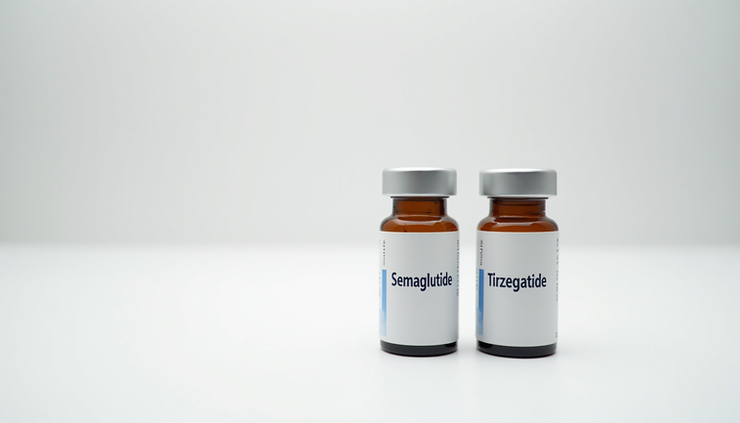
Understanding Semaglutide and Tirzepatide
Semaglutide and Tirzepatide belong to a class of drugs called GLP-1 receptor agonists. They help regulate blood sugar levels by enhancing insulin secretion and slowing gastric emptying. Semaglutide has been widely used to treat type 2 diabetes and obesity, while Tirzepatide is a newer drug that combines GLP-1 and GIP receptor agonism, offering enhanced glucose control.
Both drugs have shown benefits beyond blood sugar management, including weight loss and improved cardiovascular health. These effects have sparked interest in their potential to protect brain health and reduce dementia risk.
The Link Between Diabetes and Dementia
People with type 2 diabetes face a higher risk of developing dementia, including Alzheimer's disease. High blood sugar, insulin resistance, and inflammation contribute to brain changes that impair memory and thinking skills. Controlling diabetes effectively may reduce these risks.
This connection has led researchers to investigate whether diabetes medications like semaglutide and tirzepatide can also protect the brain. Their ability to improve insulin sensitivity and reduce inflammation makes them promising candidates for dementia prevention.
Research on Semaglutide and Dementia Prevention
Several preclinical and clinical studies have explored semaglutide’s effects on brain health:
Animal studies have shown that semaglutide reduces brain inflammation and protects neurons from damage caused by amyloid plaques, a hallmark of Alzheimer's disease.
A 2021 clinical trial found that semaglutide improved cognitive function in patients with mild cognitive impairment and type 2 diabetes after 12 months of treatment.
Ongoing large-scale trials are evaluating whether semaglutide can slow cognitive decline in people at high risk for dementia, including those with diabetes or obesity.
These findings suggest Semaglutide may offer neuroprotective benefits by reducing inflammation, improving insulin signaling in the brain, and possibly clearing toxic proteins linked to dementia.
Tirzepatide’s Emerging Role in Brain Health
Tirzepatide is newer, but early research shows promise:
Its dual action on GLP-1 and GIP receptors may provide stronger metabolic effects than semaglutide alone.
Animal models indicate tirzepatide improves brain insulin sensitivity and reduces markers of neuroinflammation.
Clinical trials are underway to assess tirzepatide’s impact on cognitive function in people with metabolic disorders.
If tirzepatide proves effective, it could offer a powerful tool for preventing dementia, especially in patients with diabetes or obesity.
How These Drugs Might Prevent Dementia
The potential mechanisms behind semaglutide and tirzepatide’s protective effects include:
Reducing brain inflammation: Chronic inflammation damages neurons and accelerates cognitive decline.
Improving insulin signaling: Insulin resistance in the brain impairs memory and learning.
Protecting neurons: These drugs may prevent cell death caused by toxic proteins like amyloid-beta.
Enhancing blood flow: Better vascular health supports brain function and reduces dementia risk.
By targeting these pathways, semaglutide and tirzepatide could slow or prevent the progression of dementia.
Practical Considerations and Future Directions
While the research is promising, these drugs are not yet approved specifically for dementia prevention. Patients should not use them off-label without medical advice. Here are some points to consider:
Ongoing trials will clarify their safety and effectiveness for brain health.
Doctors may consider these medications for patients with diabetes who also have cognitive concerns.
Lifestyle factors like diet, exercise, and mental stimulation remain critical for dementia prevention.
Combining medication with lifestyle changes may offer the best protection.
Researchers continue to explore how these drugs can fit into broader dementia prevention strategies.
Summary
Semaglutide and tirzepatide, originally diabetes treatments, show potential to reduce dementia risk by improving brain insulin sensitivity, lowering inflammation, and protecting neurons. Early studies are encouraging, but more research is needed before these drugs become standard tools for preventing cognitive decline. Meanwhile, managing metabolic health remains a key step in protecting brain function.
If you or a loved one are concerned about dementia risk, discuss with your healthcare provider whether these emerging treatments might be appropriate as part of a comprehensive prevention plan. Staying informed about new research can help you make the best decisions for brain health.


Comments